
Empowering you and your business to innovate, adapt and thrive
ABOUT
Digital DNA LLP is a consultancy practice that stands at the forefront of progressive business transformation, empowering entrepreneurs to innovate, adapt, and thrive in the ever-evolving digital landscape.
We aren’t career consultants — we are seasoned entrepreneurs and business leaders with a mission to help you overcome challenges and achieve success for you and your business.
We advise (or have advised) Bristol Innovations (University of Bristol), Gravitywell, 18sixty, Mystic.ai, Real World Records, Arts Alliance Media, The Telegraph Group, Lebara Mobile, Social Tech Trust (ex Nominet Trust), Marathon Artists and Rogers Communications…
MEET THE TEAM
The team has more than 25 years of board-level experience from a wide range of sectors including Machine Learning, B2B SaaS, Music, Gaming and Digital Media, from startups to corporates.

-
Managing PartnerDavid has 25+ years of Board-level experience garnered from senior executive roles including CEO at Dialect (a data-powered integrated marketing agency for the tech and games sectors), Managing Director at Immediate Media (home of Radio Times), CEO at The Filter (an ML recommendation engine for digital entertainment backed by Peter Gabriel) and Board Director at Future (launching GamesRadar and TechRadar, part of the MBO and IPO team, lead international M&A).
He is also very active in the tech ecosystem in the South-West of the UK as a Non-Exec Advisor for startups and as the Founder of TechSPARK and The SPARKies. He was also a Dealmaker for the UK government’s Global Entrepreneurs Programme.

-
Senior PartnerAs a highly experienced and pragmatic HR executive, Ingrid provides DDNA clients with advice and consultancy on all things People and Culture.
She has a proven track record of delivering in all areas of HR, with a strong emphasis on culture, performance, wellbeing, engagement, recruitment and talent attraction, retention, induction, staff development, and benefits design.
Ingrid is a first class communicator, with a problem-solving and pragmatic approach. Resilient under pressure, energetic and innovative.

-
Project ConsultantJohn is an accomplished fractional CTO, CEO, GTM advisor and board member with 30 years’ experience in AI/ML, digital transformation, telecoms, life sciences, digital media and embedded systems development, with both software products and SaaS services companies, in the public and private sectors.
He has deep expertise in the design and use of Generative AI systems, spanning foundation models from hyperscalers such as Microsoft, AWS and OpenAI, as well as third-party solutions for enterprise, SMB/mid-market, and personal productivity applications.
He splits his time between the UK and San Francisco, regularly meeting AI leaders at meetups and corporate events, and is well connected in the Bay Area (Silicon Valley) AI ecosystem.

-
Project ConsultantLucy loves talking to people and accidentally ended up in sales, which evolved into partner management and bringing people together to generate innovation and growth.
She has worked for pre IPO starts ups in Silicon Valley, multi billion dollar technology corporates, run her own businesses and supported hundreds of founders over 5 years at Sussex Innovation Centre.
Since returning to Bath she’s supported grant fund management with UWE, developed communities with techSPARK and delivered over 80 workshops online and in-person, primarily around business growth.
OUR APPROACH
Working with the DDNA team will empower you to make the changes you need to be successful as a business.
We can help you identify your barriers to success and focus on what needs attention (purpose, product strategy, operational excellence).
We will then develop solutions and plans with you to deliver the changes needed to be successful and we can roll up our sleeves and help you implement if required.
We lean on well-established methods and adaptable frameworks, but we don’t just advise and guide, we will also get our hands dirty and work with you to ensure that your business is best placed to succeed.
And your success is our ultimate goal.
-
We work with you to identify the barriers to success and highlight the areas that need attention (purpose, product, processes or people).
All businesses face obstacles at certain stages of development. If the obstacles are external, this may require changes in product offering, capabilities, processes or people. If the obstacles are internal, we will be able to identify them and recommend the changes you need to make to ensure your business is best placed to succeed.
-
Using proven methodology, DDNA has developed a series of workshops and frameworks to work with you to identify (or clarify) your company’s Purpose, Values and Positioning. Businesses cannot be successful without identifying their WHY, and once you have this defined, it provides you with the building blocks for setting and monitoring strategic objectives and is the bedrock on which you build all of your communication.
-
Any new idea or product needs to be continuously validated. Whether at the very early stage or later on as it evolves and matures.
DDNA has developed a Validation Framework designed to test assumptions and hypotheses through all stages of idea and product development by (1) giving you market insights so that you can be sure you are solving real problems that people value, and (2) providing customer feedback so you can be sure that your solution is the best way to solve that problem.
Following this process reduces risk and maximise your chances of success.
-
Once you have a clear Purpose and Strategy, there may be areas of your operation that will need change: e.g. structure, processes, roles, people. The DDNA team can help to identify what needs attention and can provide you with frameworks and the expertise to help you implement them.
We can also provide you with ongoing senior-level support through fractional roles.
-
Our team of consultants have 25+ years of Board experience and are well suited to NED / Advisor roles especially in innovation-lead businesses that need ongoing strategic advice and support.
David is an Advisor to Bristol Innovations, Gravitywell and 18Sixty.
Client Recommendations
-
![]()
"I want to work with more people like David. He's able to keep a clear strategic head, while still taking care of the details. He's motivated, fun to work with, and combines a quick imagination with a straightforward no nonsense approach."
Mat Morrison, Head of Strategy, Digital Whiskey
-
![]()
"What I love about working with DMR is that he is an excellent partner. He listens to your needs and concerns and presents solutions and thoughtful replies on how best to move forward. He also provides an intelligent and grounded perspective to things that shapes recommendations and projects in the spirit of collaboration."
Benjamin Yu, Head of Product Marketing, Logitech
-
![]()
"DMR has deep, first-hand knowledge of the early-stage growth challenge and combines this with a highly evidence-based approach. His honest insight and exceptional talent for drawing coherence and creativity out of other people, means that working with him is both effective and highly empowering."
Rosie Bennett, COO, Mystic AI
-
![]()
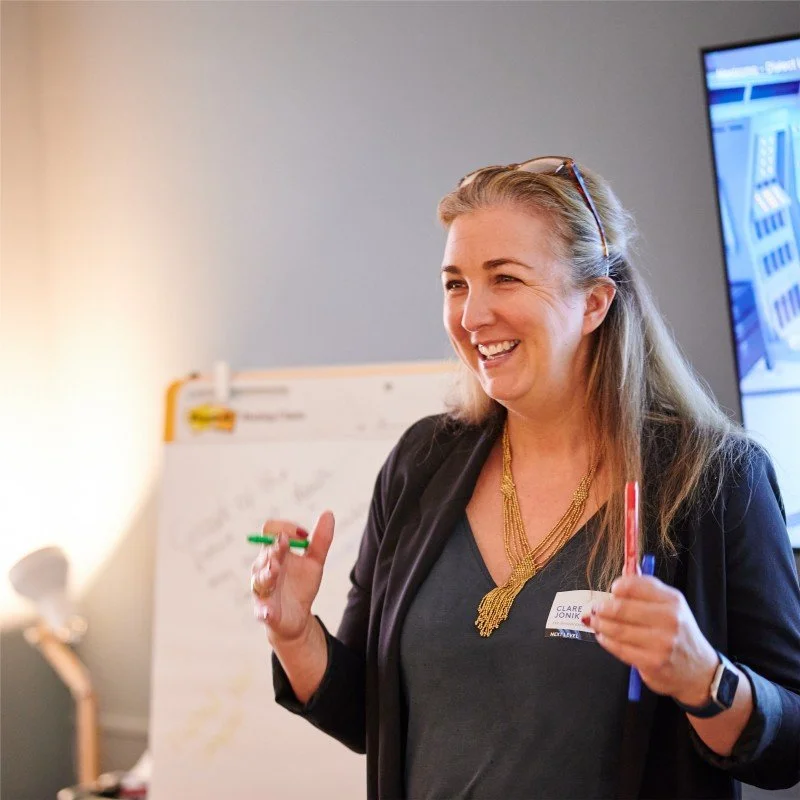
"Working with David has been inspirational. I always love working with people who test and challenge ways of thinking and add a level of experience into the room that opens your mind to thinking differently and that’s exactly what David brought to the table."
Clare Jonik, Founder, Feel Good Marketing
-
![Logitech G logo]()
"David is an exceptionally strong leader, business partner and innovative marketing and brand thinker. He has steered his team to successfully support our business and achieve industry leading commercial growth and brand equity results."
Peter Kingsley, CMO, Logitech G
-
![New Nokia logo]()
"David was a great business partner. He had the right degree of passion, acumen and patience to work with a big company like Nokia, delivering great results for us. David understands how to deal with multiple stakeholders across different organizations, and gets the job done."
Ed Simnett, Director of Strategy, Nokia)